
0 Comments
Learning to read, and subsequently reading to learn, requires a tremendous amount of visual efficiency. As with many aspects of development, vision is learned. Tactile Trackers/Visual Pursuits are one of the most commonly used activities to build smooth pursuit eye movements. But when and how can you get them done? Cindy, truly one S.M.A.R.T. teacher, came up with a brilliant idea. She hung Tactile Trackers just outside the restrooms of her center. She would send one half of her group into the bathrooms while the other half would work on visual pursuits. This allowed for closer monitoring of the activity while cutting down on the goofing around we child professionals deal with during bathroom breaks. If you know, you know. This idea has been one of the most replicated S.M.A.R.T. ideas we have seen in the past decade. Do you have wall space next to the bathrooms for students to practice at before or after their bathroom break? Give it a try and let us know how it goes! Send photos or video clips of vision activities in action to mlrc@actg.org to be entered to win a set of S.M.A.R.T. posters for your S.M.A.R.T. Space. S.M.A.R.T. SPACES
Looking for some low-cost, movement-based birthday gifts and activities that promote physical activity and engagement? Here are a few ideas we think are pretty S.M.A.R.T.
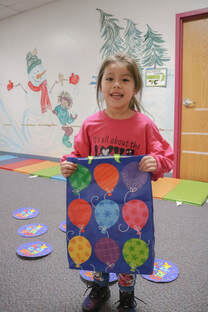
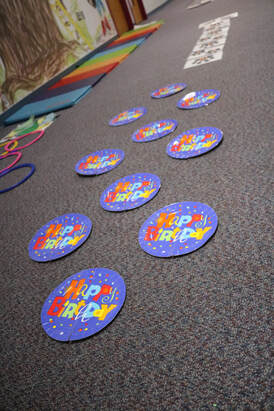
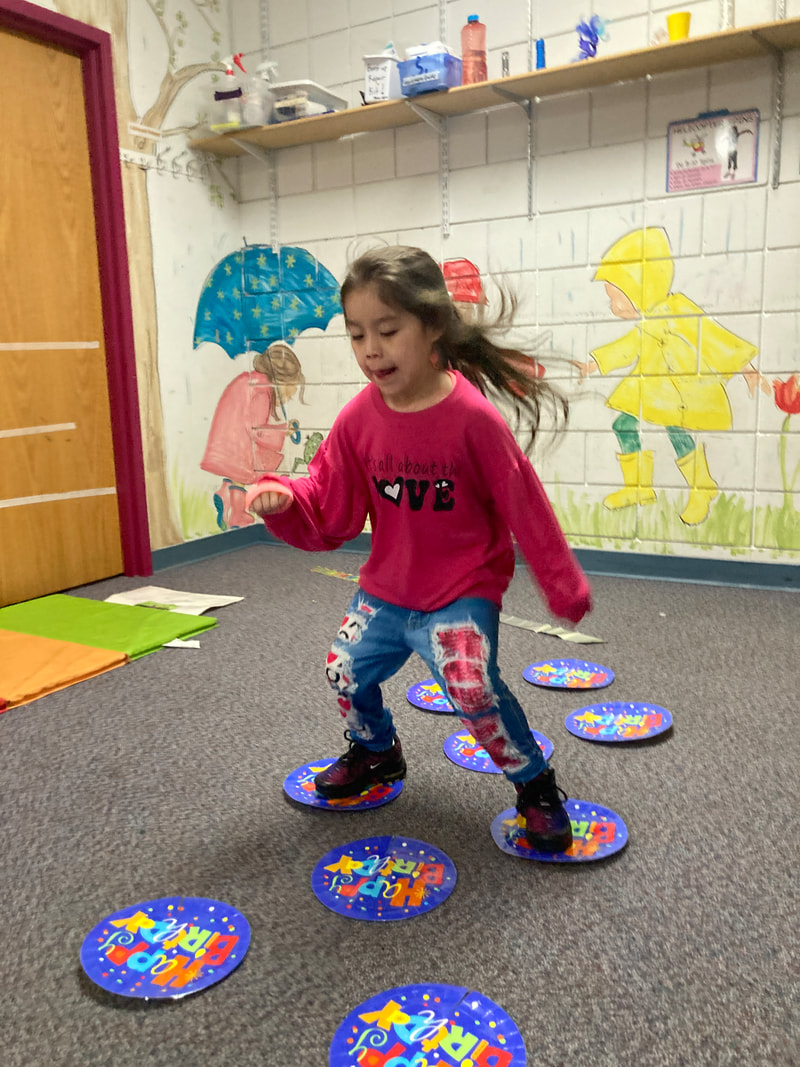
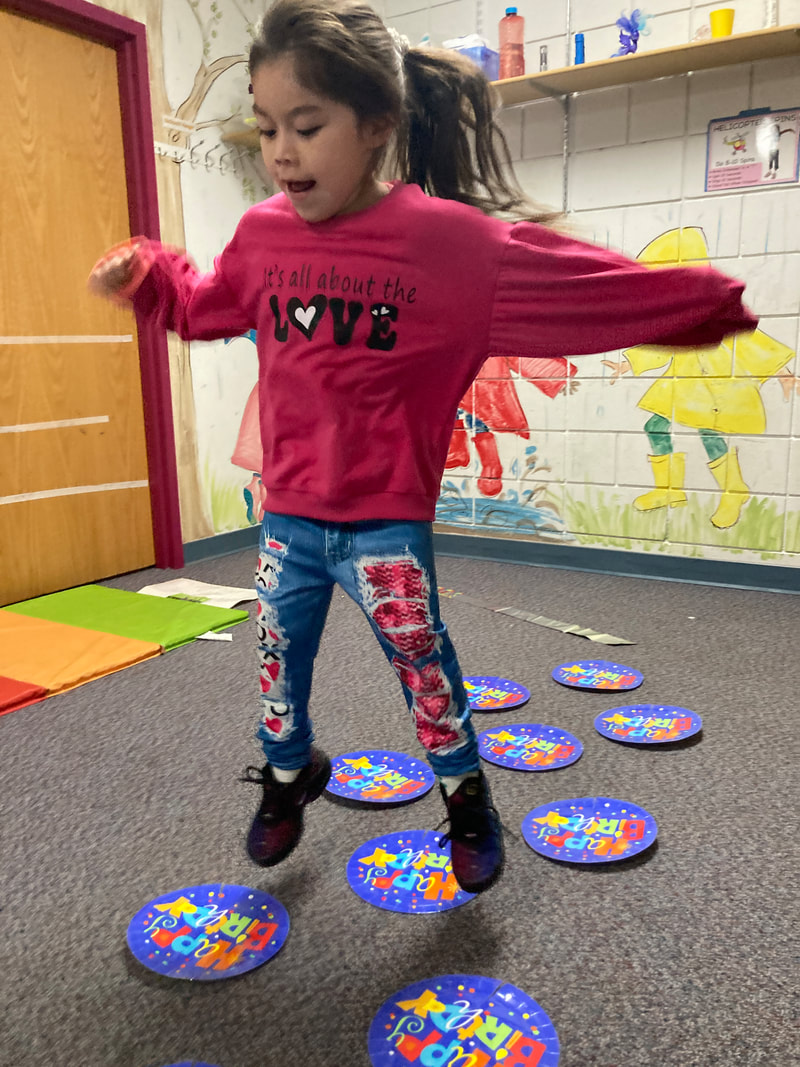
The second clever twist was using paper birthday plates as hopscotch spots. Did you know that if you cut a slit in the plate and run it through the laminator, the plates will flatten out? A few pieces of velcro to the back, and you can set up a unique hopscotch pattern on a carpeted surface.
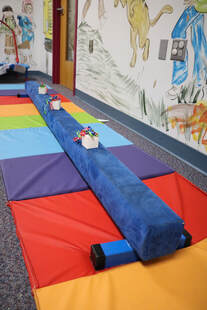
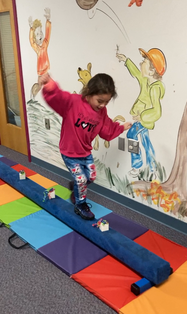
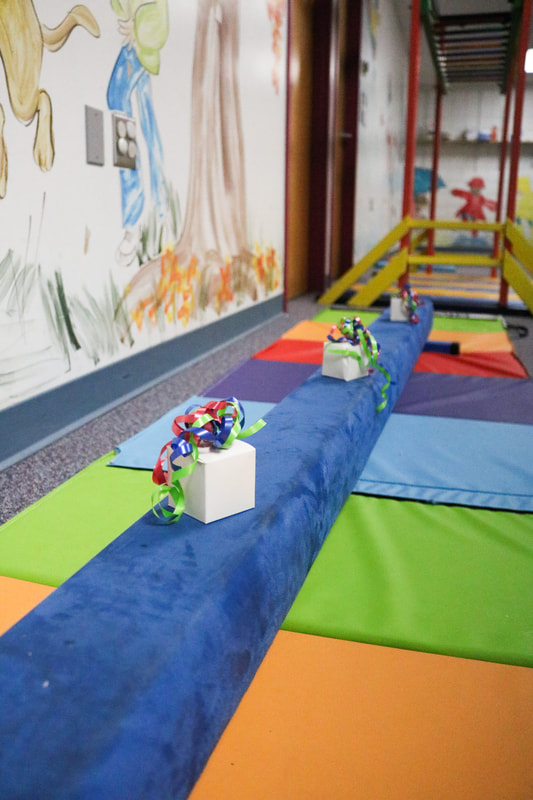
Themes do not need to be difficult and time-consuming to create excitement. Like Leslie, make sure your thematic twists are FUNctional and not fluff. Interested in more birthday theme ideas, click on over to S.M.A.R.T. Spaces and Time Saving Tips! Did you watch the S.M.A.R.T. Birthday theme in action? With a little creative thinking (maybe a run to the dollar store or Target) and these free downloads, you can create your own set for your classroom. Having thematic twists in a birthday gift bag is guaranteed to create excitement for S.M.A.R.T. We recommend the following additions to S.M.A.R.T. core activities.  Slap/Creep Track cards: Download these two different sets of cards and choose what is most appropriate for your class. Balance Beam: Add little birthday hats or gift boxes with ribbon as objects to step over on the beam. Hopscotch: See One S.M.A.R.T. Teacher for creative ideas
Learning Ladders: Colorful balloons can be laminated so that you can write age appropriate content on the balloons. Add sight words, numbers, CVC words, etc, for students to practice. Download a version here! : balloon_learning_ladder.pdf Do you have additional suggestions or ideas you have tried? Submit them for us to share by emailing mlrc@actg.org or tagging us on Instagram @achance2grow In the meantime… Happy S.M.A.R.T. Birthday! TIME SAVING TIPSMovement anchors learning! Each day, the children we work with show us how crucial movement is in their learning process. Thinking and learning are not all in our heads. The body plays an integral part in our intellectual processes. S.M.A.R.T. activities affect the brain in positive and dramatic ways. To assist you in incorporating movement into learning, here is a winter-themed set of slap track/creep track cards. 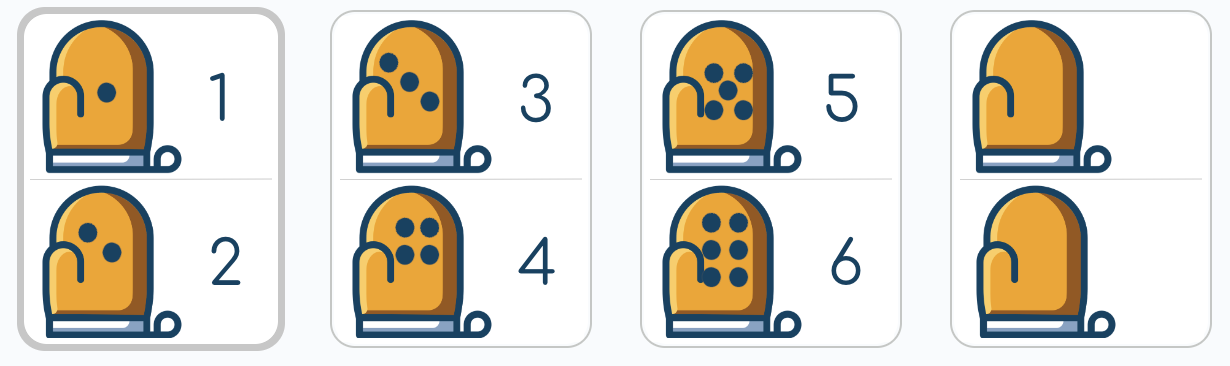 You can use the domino dot version to help instill the instant recognition of a number of objects without having to count them. Or print out the plain set of mittens and add your own curricular content. Perhaps a word family, shapes, numbers, or onset and rime pattern. Download, print, cut in half, and enjoy!
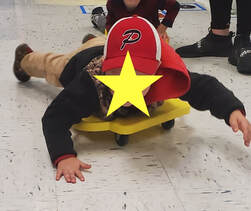
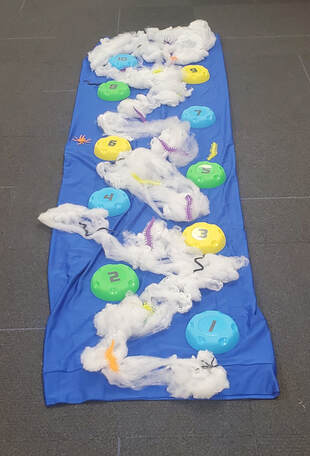
Download: Is S.M.A.R.T. starting to lose a bit of its excitement? Maybe the load of demands is taking a toll and you need a bit of fun to motivate your S.M.A.R.T. time. Sometimes, a little creative twist is just the thing to keep students interested and engaged. Two of the S.M.A.R.T. programs' most passionate alums know just what to do. Amber and Sara are early childhood professionals from Pulaski, WI, who have been incorporating S.M.A.R.T. activities into the classroom environment for many years. To add a little excitement, they like to sprinkle in some thematic content to a few activities. Amber and Sara use children’s literature to inspire what new and exciting twists can be added to core activities. For example, when reading the classic The Mitten, these two creative educators will have their students walk across a Balance Beam and pick up mittens along the way. The Slap Track will have different colored mittens in the pockets. How about creating a “snowy path” to navigate through? Proprioceptive input is encouraged during a game where students move around like different animals. The student pictured below was flying like a bat.* How fun to encourage moving in new ways!
Looking for activities that can keep your child busy and engaged during winter break? How about encouraging a screen free zone that can foster creativity, imagination, and play?!
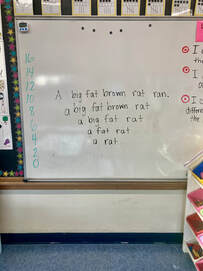
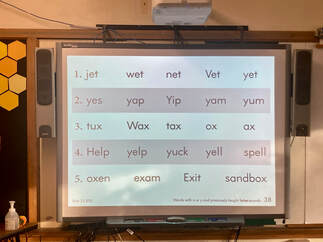
Have fun, keep moving, and enjoy making memories this holiday season.  Movement and learning are a powerful combination. Developmentally, movement plays a major role in understanding our bodies. Essentially, our bodies NEED to move in order to learn HOW to be still. This is precisely why S.M.A.R.T. is a part of your work with children. Learning Ladders can beautifully bridge academic content and movement. Are you scrambling to find time to make new Learning Ladders? We hear you. Consider how you might make your whiteboard or Smartboard in your space a quick and effective Learning Ladder.
|
AuthorSCheryl Smythe Archives
April 2024
|
 RSS Feed