
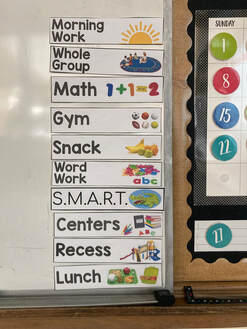
time saving tipsA visual schedule in early childhood and primary grades provides young students with a clear and structured outline of their daily activities. A sense of routine and time management skills are developed. Visual schedules enhance communication and comprehension, making it easier for students to understand and anticipate what comes next, ultimately reducing anxiety and classroom disruptions. Fewer disruptions saves you some time! Additionally, these schedules can be customized to cater to individual learning styles, ensuring that each student receives the necessary support to thrive academically and socially. If you are like us, you have taken some time to find just the right one to display that fits both the structure and routine of your classroom and fits the space you have for it.
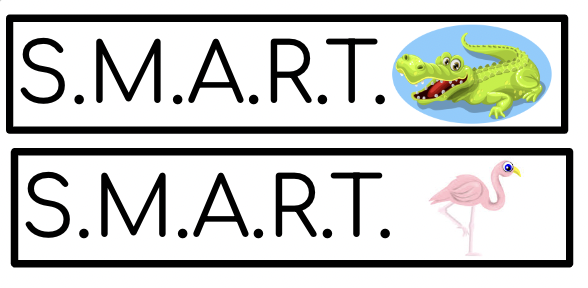
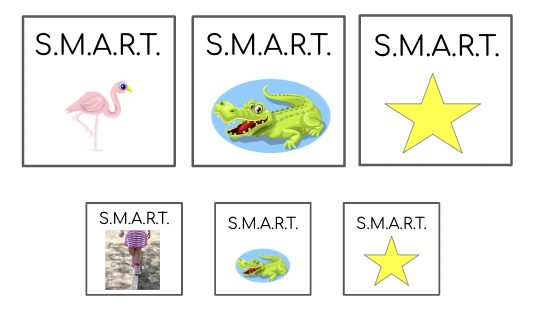
Here are several options of cards you can download that will add S.M.A.R.T. to your visual schedule.
Download:
0 Comments
If you already post a daily schedule, can this important time of day be proudly displayed? Head over to our Time Saving Tips section to browse and download a few templates to add S.M.A.R.T. into your visual schedule.
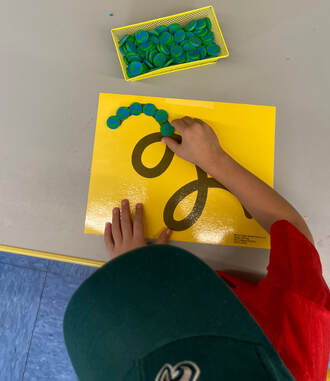
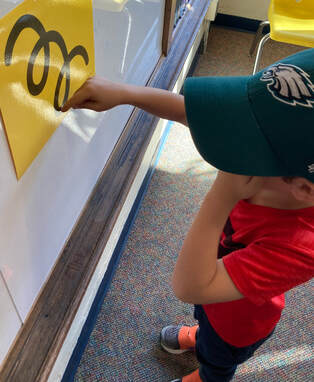
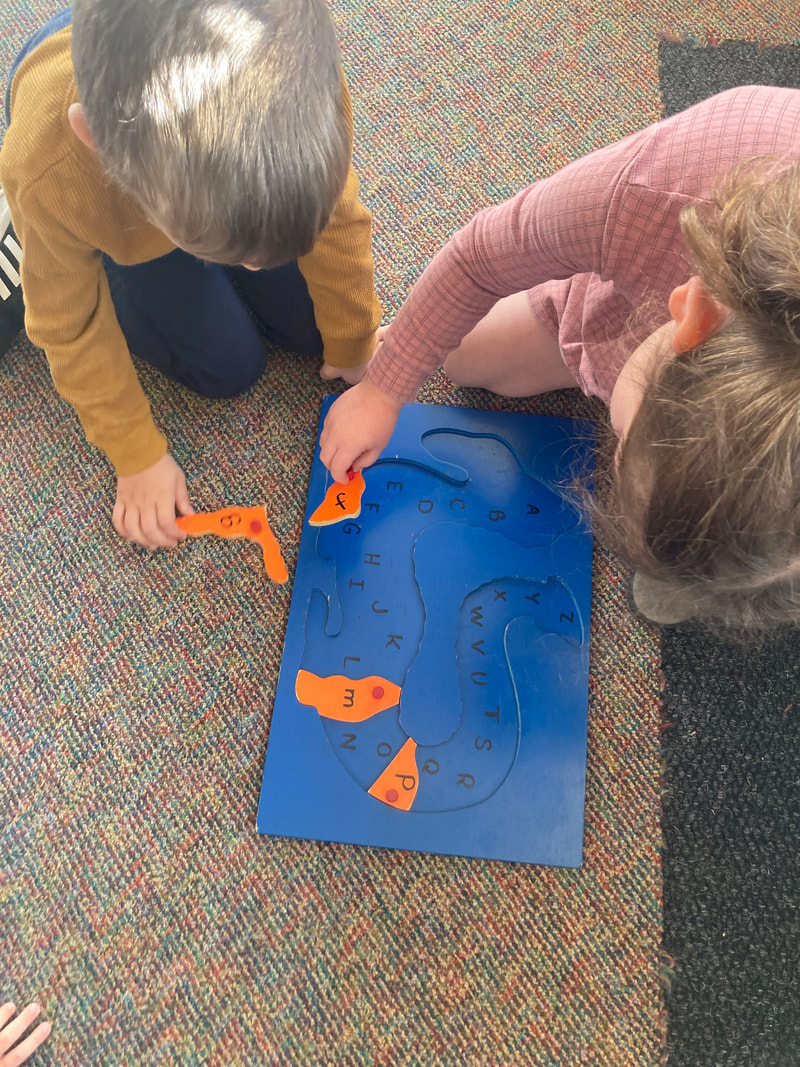
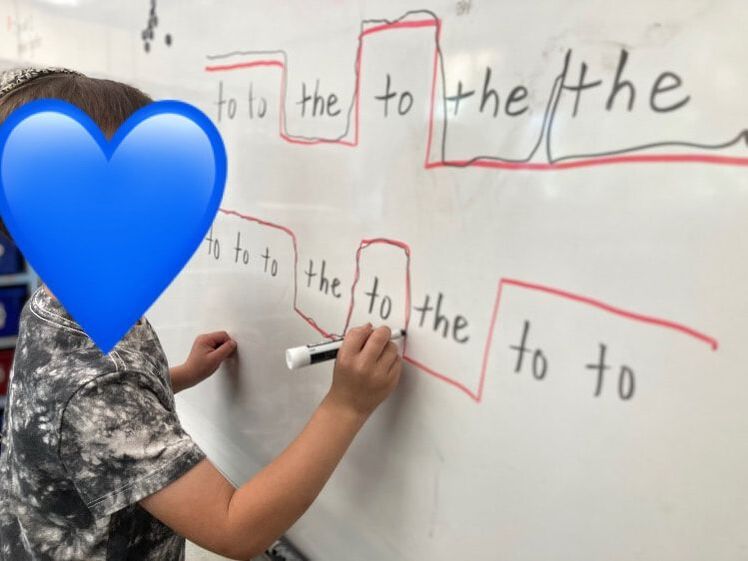
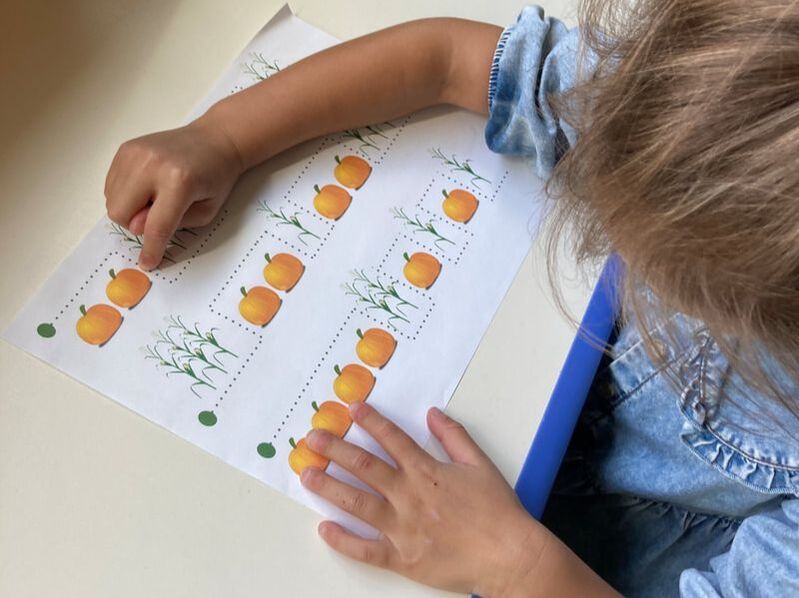
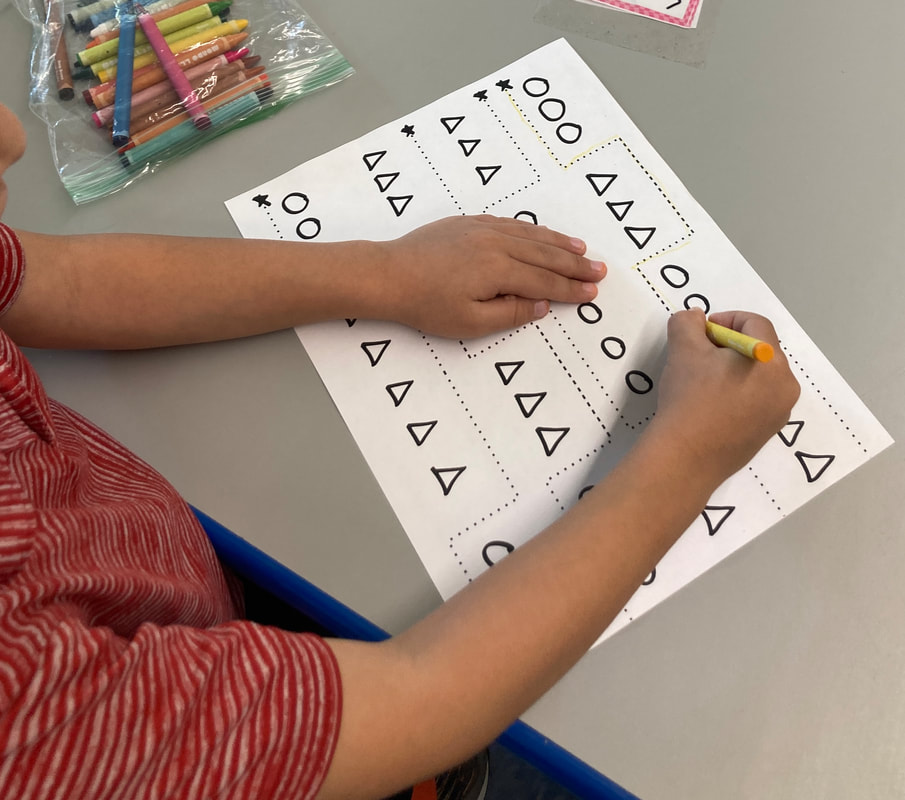
Our three day workshops are packed with information and we don’t expect you to remember it all! When you have a question, need clarification, or simply need help, please reach out like One S.M.A.R.T. Teacher from Hales Corner, WI, Diane Shippell, did. She attended a workshop with us a few years ago. Like many, Diane and her colleagues were excited about S.M.A.R.T. and went back to school prepared to begin implementation right away. Her school now boasts a motor lab and motor hallway. Diane reached out to us with a question regarding material for a vision activity. Tactile Trackers are an activity that aid in developing smooth eye movements. We have received so much feedback from educators that the hallway or just outside the bathrooms have been a very effective place for this activity. In Diane’s school, this activity is in the motor hallway. 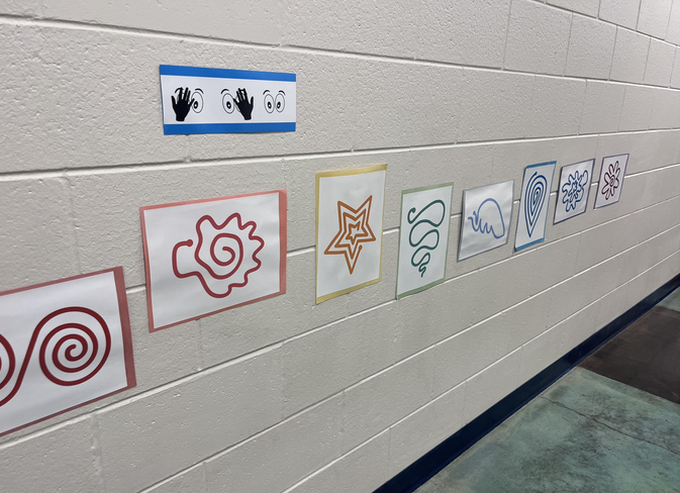 Diane’s questions centered around where she could get more of these Tactile Trackers. While we do not provide templates for them, we did a little digging and found some options for you. In our chat with Diane, we discovered that her team used mindfulness mats as the mazes to trace in the hallway. Genius! This is a great way to make use of a resource in different ways. Mindfulness mats are used in childcare and classroom settings to help with emotional regulation and breathing techniques. If you have these kinds of mats, why not place them on the wall as a visual pursuit to encourage smooth eye movements? We couldn’t help but get excited at the idea of using the mats as a center activity one week for mindfulness and then having them hung up the next week as Tactile Trackers! Multi-purpose resources definitely feel like they fit into the “work S.M.A.R.T.er, not harder” category.
These kinds of mats are available from many sources but to make things easier, here are a few links to some we feel would make great Tactile Trackers.
References: This month has a focus on our Tactile Tracker activity. You know from the S.M.A.R.T. workshop how important developmental movement is in the maturing of our visual system. How can you convey this information to parents, encouraging them to try some fun activities that will add frequency and intensity to visual development? Keep reading…. From the moment children are born, they begin developing strong neural connections with each and every movement and experience. Tummy time, rolling, belly crawling, learning how to pull themselves up to standing, walking, even running all played crucial roles in the development of their eyes. How can we keep this growth going? Vision activities are a really fun way to do this! Here are some suggestions of activities you can do with your child at home that help enhance their visual system.
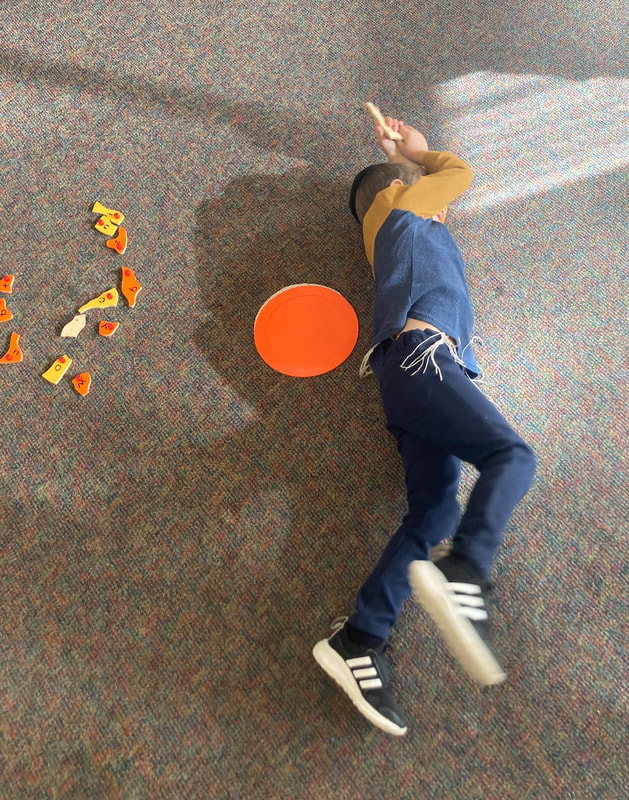
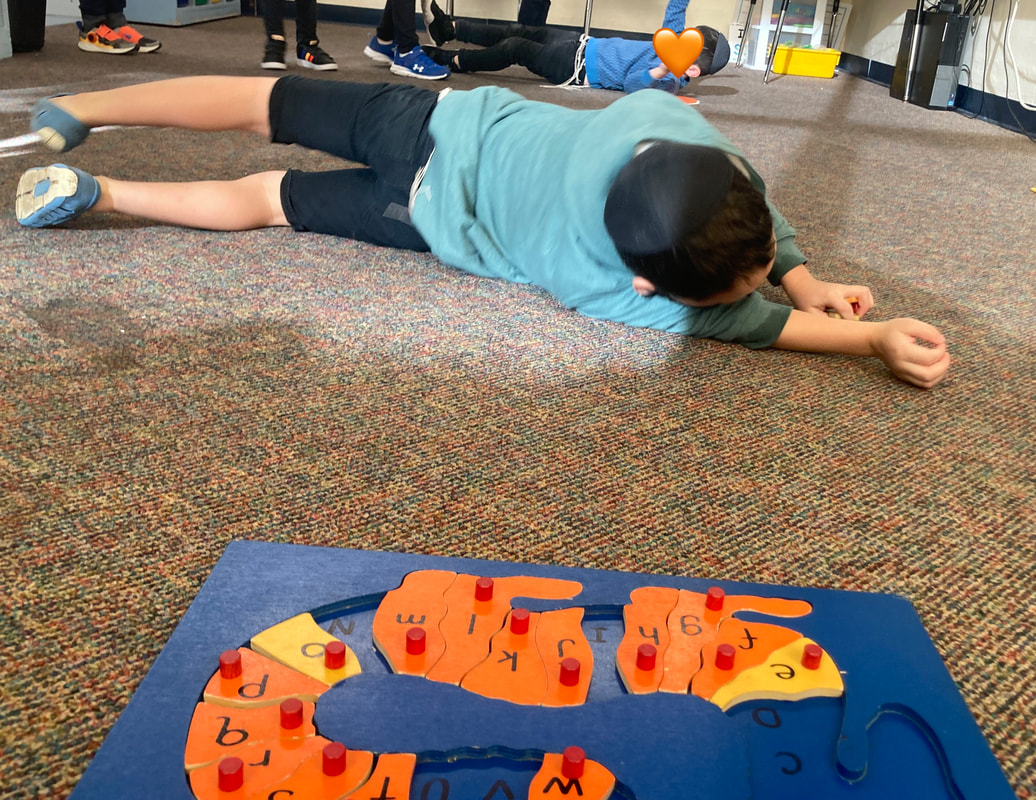
S.M.A.R.T. Spaces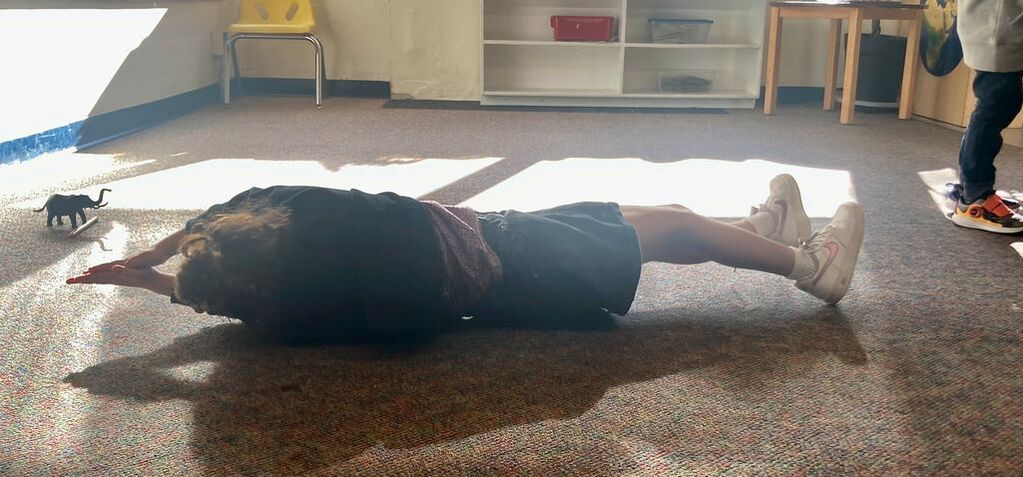 As you continue to roll out your S.M.A.R.T. course of activities, the Pencil Roll is one of the daily core activities to plan for thoughtfully. This movement requires the most space, so many educators find the area towards the front of the classroom works best. Pictured here is where one kindergarten teacher sets up the Pencil Roll. It is the same space the students sit for morning meetings and/or whole group activities.
Finding the time for one more thing is difficult in a classroom. Jessica from St. Louis Park, MN teaches kindergarten and loves every moment of it. Except for the amount of time planning can take! During the S.M.A.R.T. workshop, we encourage educators to work S.M.A.R.T.er not harder. What does that even mean? The activities in this program parallel many typical school activities, but they are designed to be tweaked just a bit to foster a more concentrated, intense burst of stimulation to the brain. How does Jessica apply that little workshop tip?
She incorporates vision activities as a warm-up for small group instruction. Jessica engages her students in a playful activity that encourages them to track with their eyes. She has a few sheets ready for students to trace as their opening activity during small group instruction. She shares that by starting out the school year using this activity very intentionally and closely monitored in small groups, she is able to plan for this to be an independent work center during the later school months.
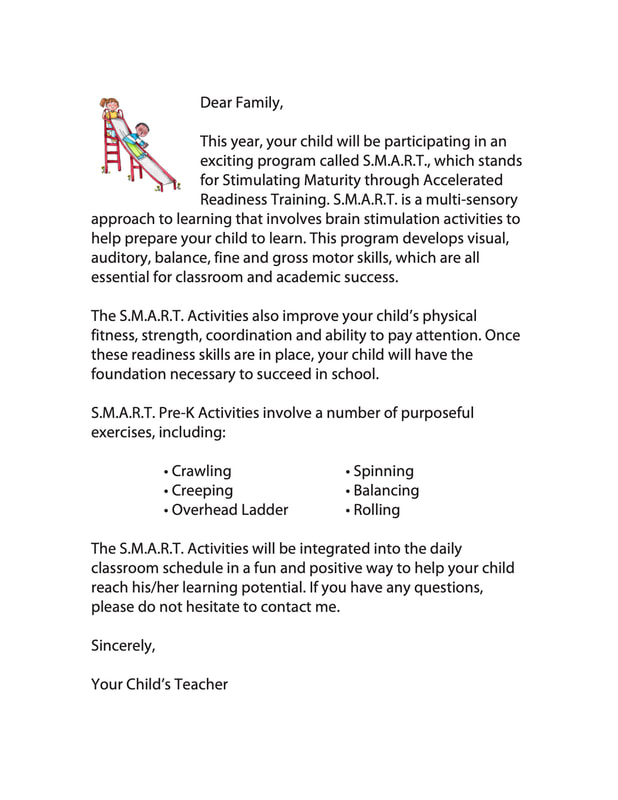
The following information will help you explain the S.M.A.R.T. program to parents and foster a strong school-home connection in a developmentally meaningful way.
How do S.M.A.R.T. activities boost my child’s development? The S.M.A.R.T. program offers activities that might seem similar to other schools and childcare centers. But, it's unique because it uses the latest brain research and developmental programs to create a purposeful, enriching environment. It provides more opportunities for specific brain stimulation than what occurs routinely in normal child development. How can you add to your enriching environment at home?
P.S. - It is still good for your brain, too :) Give it a try. Connect with your child in a fun, active way while stimulating both of your brains. Assessments, lesson plans, and emails, oh my! School is in full swing, and you are busy. Those of you who are new to S.M.A.R.T. are likely starting off slow and steady, intentionally teaching each activity and monitoring progress while planning what to implement next.* Seasoned veterans of S.M.A.R.T. are likely doing the same thing, knowing that “Start slow to go fast” is a tried and true statement. You may know exactly what you will introduce in the upcoming weeks as you build that S.M.A.R.T. course. Are you looking for ways to make it more fun and exciting? 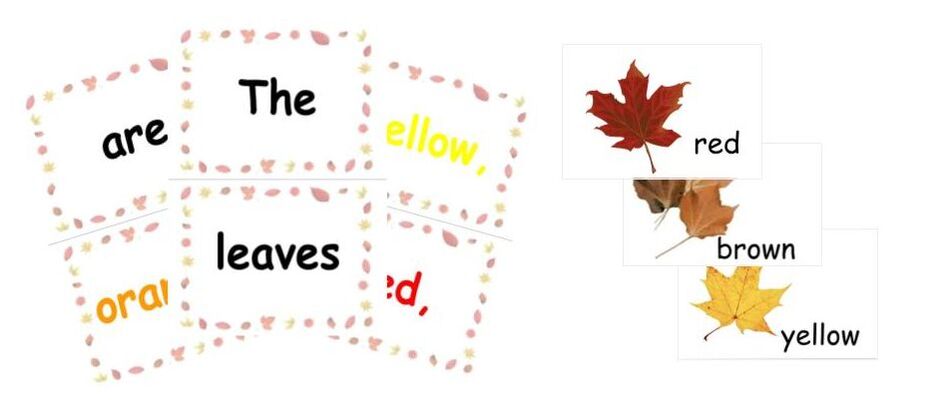 Add in a thematic component! Our guides have a fun twist for core activities that help increase excitement and keep students engaged. Curriculum guides have a list of ideas for you to make the daily core activities something to look forward to. References to those pages are listed below. Download these fall-themed sets of Creep Track cards to save you some time!\
Download: Older students can practice sentence fluency, and younger students can work on color recognition while boosting their eye teaming, depth perception, and eye-hand coordination. *Stuck on what core activity to introduce next? We encourage you to have these floor activities incorporated into your S.M.A.R.T. time during the second month of school:
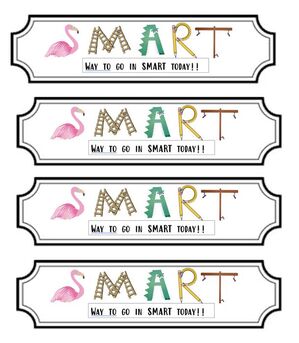
References: That's one S.M.A.R.T. TeacherWhen tasks are challenging, the right kind of motivation can make all the difference between trying our best and giving up. Do you remember the first time you tried the Alligator Crawl during your workshop? S.M.A.R.T. activities can be hard! Your students need a motivator. Often, your encouragement and cheerleading is exactly what they need. But would you like to make it a little sweeter? Laura, a pre-k educator from Blooming Prairie Elementary, is one S.M.A.R.T. teacher. Playing on our “S.M.A.R.T.” theme, Laura created S.M.A.R.T. tickets to be given with a Smartie candy as motivation and a reward for children who are working hard and staying on task during S.M.A.R.T. activities. Check out how cute these are?!
A closer look at the letters will reveal a fun nod to the movement names that make it even more fun for students to receive.
Can you adapt this idea to fit your S.M.A.R.T. implementation plan? Perhaps the tickets can be accumulated to be turned into a raffle each week or, like Laura does, given with a small Smartie as a reward for trying a task even when it is hard. We think she is an “Awesome Blossom" and love that she shared this idea with her fellow S.M.A.R.T. community. Using tokens and rewards in S.M.A.R.T. might be just the thing your students need to stay motivated to keep up with these every important movement activities. Download a copy of the tickets below. Download: “Crawling like an alligator? Rolling like a pencil? Yardsticks on the floor? What are these activities my child keeps talking about?!” How might you respond to parent inquiries about the S.M.A.R.T. program? This year, as with every year, we are committed to meeting every child where they are at and to look at them through the lens of potential. One way we are doing this is by implementing activities in our classroom that are developmentally appropriate, brain stimulating, and movement based. The program is called S.M.A.R.T. and that stands for Stimulating Maturity Through Readiness Training. It is a developmental movement program that helps to get children’s brains and bodies ready to learn and uses movement to anchor learning. Also...it’s fun!
|
AuthorSCheryl Smythe Archives
April 2024
|




 RSS Feed